Introduction · Serious games
Games witha Purpose Serious games, impact games, and how play became a tool for learning, health and change.
Opening. This lecture skips the course logistics (covered separately) and goes straight into the field.
The six icons orbiting the controller are the six fields of impact we will walk through later: health, education, environment, citizen science, civics and history, and empathy.
Question to open with: "Which game taught you something you still remember?" Collect three or four answers. Most will be commercial games (Civilization, Age of Empires, Kerbal, Assassin's Creed), which sets up today's point: purpose is not only for "serious" games.
01
What are serious games?
02
Origins: war games to Games for Change
05
Mainstream games with a purpose
06
The field today: awards and winners
08
Takeaways and watch list
Eight parts. Parts 1 to 3 are background: definitions, history, and why games work at all. Parts 4 and 5 are the examples (lots of trailers, pick the ones you want to play). Part 6 is the current state of the field: the big awards and their winners. Part 7 is about designing one yourself: the typical problems and how to avoid them.
Every example slide has clickable trailer links. Thumbnails open the video in a new tab.
01 · What are serious games?
Games built for a purpose beyond fun
A serious game is designed with a primary goal other than entertainment : to teach, train, heal, persuade, raise awareness or solve a real problem. It still has to be a good game.
Education
Health
Training
Social awareness
Research
Persuasion
Many commercial games carry serious themes without the label. This War of Mine, Papers, Please and It Takes Two are sold as entertainment, and still change how players think.
Also known as
Serious games
Games for change
Games for impact
Games with a purpose
Edutainment
Game-based learning
Definition. The key word is "primary": the designer starts from a purpose (learning, health, awareness, research) and then builds a game around it.
But: a serious game that is not fun does not work. Nobody plays it voluntarily, and the learning only happens while people play.
The names overlap. "Serious games" is the academic term (Clark Abt, 1970). "Games for change" and "games for impact" come from the movement and the awards (Games for Change, The Game Awards' Games for Impact). "Games with a purpose" originally meant something narrower: games whose play produces useful work (Luis von Ahn). "Edutainment" is the 1980s–90s school-software term. "Game-based learning" is the teaching practice.
Commercial games: many are not advertised as serious games but contain the same elements. We will see a whole section on these.
01 · Related terms
Four ideas that get mixed up
A whole game, designed around a purpose.
Example
Re-Mission (2006) for young cancer patients
Game elements added to something that is not a game.
Example
Duolingo streaks, loyalty points (last lecture)
Using games, any games, as a teaching tool.
Example
Civilization in a history class, Minecraft Education
Play that produces useful work as a by-product.
Example
ESP Game (2004) labelled images; Foldit folds proteins
Four terms students mix up all the time. Reveal one card per click.
Serious game: the whole thing is a game, and the game was designed for a purpose.
Gamification: you take a product that is not a game (a language course, a loyalty programme, a to-do list) and add points, streaks, badges. This was the last lecture: Gamification and the Dark Arts.
Game-based learning: a teaching method. The game itself might be purely commercial (Civilization, Kerbal Space Program, Assassin's Creed); the purpose comes from how the teacher uses it.
Games with a purpose: the original meaning of the phrase. Luis von Ahn (Carnegie Mellon) built games where the play itself does useful work for humans or computers: labelling images, folding proteins. More on this in Part 2.
Your project for a museum is a serious game. It may use gamification elements inside it.
01 · A spectrum, not a box
How much purpose is in the game?
It Takes Two
relationships
Kerbal Space Program
orbital physics
Papers, Please
bureaucracy, morality
This War of Mine
civilians in war
Discovery Tour
history mode of a blockbuster
Minecraft Education
classroom edition
Re-Mission
cancer treatment
EndeavorRx
prescription therapy
← MADE TO ENTERTAIN
MADE FOR A PURPOSE →
Purpose is a spectrum. On the left, games made purely to entertain that still teach something (It Takes Two about relationships, Kerbal about orbital mechanics). On the right, games that exist only for their purpose: Re-Mission for young cancer patients and EndeavorRx, a game that doctors prescribe for ADHD.
In the middle: commercial studios building purpose into big games (the Assassin's Creed Discovery Tour is a combat-free history mode; Minecraft has a classroom edition).
Ask: where would your museum game sit? Most museum installations sit right of centre: purpose first, but they must win attention in seconds against everything else in the room.
The placement is a judgement call, not data. Invite disagreement: is Papers, Please more "serious" than Discovery Tour?
02 · Origins
Play has always been practice From Prussian war games to a movement with its own festival and awards.
Part 2: history. The point of this section: serious games are not a new idea that came with apps. Using play to practise for the real world is as old as games themselves. What changed is the medium (computers, then phones and VR) and the fact that there is now a community, research field and award circuit around it.
Six eras on the next slide, then a closer look at each.
02 · Six eras
From the war table to the doctor’s prescription
c. 600 – 1938
Practice for war
Chaturanga, chess, Kriegsspiel, Huizinga
1960 – 1980
First teaching machines
PLATO, Sumerian Game, Oregon Trail, Abt
1983 – 1999
Edutainment
Math Blaster, Carmen Sandiego, school software
2002 – 2010
The movement
America’s Army, Games for Change, Re-Mission, Foldit
2010 – 2019
Science & mainstream
Eterna, Sea Hero Quest, impact awards at TGA and BAFTA
2020 – today
Prescribed & read
EndeavorRx, games on school reading lists
One click per era. The rail fills as you go.
1. Practice for war: games as strategy training long before computers.
2. First teaching machines: mainframes and teletypes in schools. Clark Abt names the field "serious games" in 1970.
3. Edutainment: home computers, school software, a big commercial market (and a lot of "chocolate-covered broccoli": a quiz with a game skin).
4. The movement: the term returns in 2002, now for video games. Organisations, conferences and the first clinical trial.
5. Science and mainstream: citizen science games, huge player numbers, and the big awards add impact categories (The Game Awards 2014, BAFTA 2018).
6. Today: a game authorised by the US FDA as a treatment, and a commercial game on a national school reading list.
02 · Before computers
Games as practice for the real thing
c. 6th c. CE
India. “Four limbs” of an army: infantry, cavalry, elephants, chariots. Ancestor of chess.
1812 / 1824
Prussia. Von Reisswitz father and son. The army adopted it in 1824 to train officers.
1938
Johan Huizinga: play is older than culture. Introduces the “magic circle”.
1970
Clark C. Abt’s book names the field: games with “an explicit and carefully thought-out educational purpose”.
The idea is old: a safe space where mistakes cost nothing, so you can try, fail and try again.
Chaturanga (India, around the 6th century CE): the name means the "four limbs" of an army. It evolved into chess, shatranj, xiangqi and shogi. Strategy training as a game.
Kriegsspiel: in 1812 Georg Leopold von Reisswitz showed the Prussian king a war game on a table. In 1824 his son presented a refined version on real maps, and the army adopted it for officer training. It is the ancestor of every wargame and military simulation since.
Huizinga, Homo Ludens (1938, English 1949): play is older than culture. He mentions the "magic circle", a space set apart from ordinary life. Game designers Salen and Zimmerman made it a core concept in Rules of Play (2003). More in Part 3.
Clark C. Abt, Serious Games (1970): the book that named the field. His examples are mostly board and role-play games, not computers. Quote is from p. 27. Abt says serious does not mean they should not be entertaining.
Also worth mentioning: flight simulators. Ed Link's trainer (patented 1929, bought by the US Army Air Corps in 1934) trained pilots long before video games.
02 · First teaching machines
Mainframes in the classroom
1960
PLATO
University of Illinois. First general computer-assisted teaching system.
1964
The Sumerian Game
Mabel Addis (teacher) and IBM: run a city in ancient Sumer.
1971
The Oregon Trail
Three student teachers, one 8th-grade class. MECC versions reach schools for decades.
1983–85
Edutainment
Math Blaster (1983), Where in the World Is Carmen Sandiego? (1985).
MECC · TELETYPE · 1971
THE OREGON TRAIL
MONDAY MARCH 29 1847
FOOD 120 · BULLETS 900 · CASH $340
(1) HUNT (2) CONTINUE (3) REST
> ▌
Illustration in the style of the teletype version, not a screenshot.
The first educational computer games came from teachers, not game companies.
PLATO (1960, University of Illinois, Don Bitzer): the first general system for computer-assisted teaching. Later home to some of the earliest online games.
The Sumerian Game (1964–66): designed by Mabel Addis, a fourth-grade teacher, programmed by William McKay at IBM, for a school research project in Westchester, New York. You rule a city in ancient Sumer and decide how to use the grain harvest. Often called the first educational video game (a widely repeated label, not a settled fact).
The Oregon Trail (December 1971): made by three student teachers (Don Rawitsch, Bill Heinemann, Paul Dillenberger) for an 8th-grade history class. MECC (Minnesota) distributed it to schools from 1974. The 1985 Apple II version is the one most people remember ("You have died of dysentery"). Sales are often quoted as 65 million+, but that figure has no primary source.
Edutainment (1980s–90s): Math Blaster, Carmen Sandiego. A big market, but many titles were quizzes with a game skin, which designers call "chocolate-covered broccoli". That criticism still applies to many serious games today.
The terminal on the right is an illustration, not a real screenshot.
02 · The movement · 2002–2010
Serious games get organised
2002
America’s Army
US Army’s free shooter, built for recruitment.
2002
Serious Games Initiative
Ben Sawyer & David Rejeski revive the term for video games.
2003
September 12th
Gonzalo Frasca’s newsgame: killing terrorists creates more.
2004
Games for Change
Founded in New York; first meeting had about 42 people.
2004
Games for Health
First conference in Madison, Wisconsin.
2005
Food Force
UN World Food Programme; about 4 million players in its first year.
2006
Re-Mission
HopeLab game for young cancer patients, tested in a clinical trial.
2007
PeaceMaker
Israeli-Palestinian conflict simulation from Carnegie Mellon graduates.
2008
Foldit
University of Washington: players fold proteins for science.
In the early 2000s the term comes back, now about video games, and the field organises itself.
America's Army (July 2002): a free shooter made by the US Army as a recruiting and PR tool. Controversial, but it proved that a government body could fund a high-quality game for a non-entertainment purpose.
Serious Games Initiative (2002): Ben Sawyer and David Rejeski at the Woodrow Wilson Center in Washington, based on Sawyer's paper on game-based learning for public policy.
September 12th (2003): Gonzalo Frasca, Uruguay. You aim missiles at terrorists in a village; every strike kills civilians and creates more terrorists. You cannot win. One of the first "newsgames": the rules are the argument.
Games for Change (2004): founded by Suzanne Seggerman, Benjamin Stokes and Barry Joseph. The first meeting had around 42 people. Today its awards get about 800 submissions a year.
Games for Health (2004): first conference in Madison, Wisconsin; funded by the Robert Wood Johnson Foundation.
Food Force (2005): UN World Food Programme. Over a million downloads in six weeks.
Also from this era: Darfur is Dying (2006, mtvU), 800,000+ players in its first months.
Re-Mission, PeaceMaker and Foldit get their own slides later.
02 · Games with a purpose
The ESP Game: two strangers label the web
Luis von Ahn & Laura Dabbish, “Labeling Images with a Computer Game”, CHI 2004 · von Ahn, “Games with a Purpose”, IEEE Computer, 2006
This is where the phrase "games with a purpose" actually comes from.
Luis von Ahn (Carnegie Mellon University) built the ESP Game (online 2003, paper at CHI 2004, which was held in Vienna). Two random players see the same image. They cannot talk. Each types words describing it; when both type the same word, they score points and that word becomes a label for the image. "Taboo" words are labels the image already has, so players must find new ones.
The animation shows two rounds: the players agree on "flying" (bird and sky are taboo), then "blue".
Why it matters: in 2003 computers could not recognise what was in a picture. People playing for fun labelled millions of images. Google licensed it as the Google Image Labeler (2006–2011).
Von Ahn called this "human computation" and named the idea "games with a purpose" (IEEE Computer, 2006; the site gwap.com followed in 2008). He went on to build reCAPTCHA (people typing distorted words helped digitise books; Google bought it in 2009) and then founded Duolingo, which links back to the last lecture.
Note: his meaning (play produces useful work) is narrower than Abt's "serious games" (play with a purpose for the player). Foldit and Eterna are in his tradition.
02 · 2010 – today
From niche to mainstream
2011
Eterna
Players design RNA molecules; the best designs are made in a real lab.
2014
The Game Awards
New impact category (Games for Change, renamed Games for Impact in 2015).
2016
Sea Hero Quest
A mobile game collects navigation data for dementia research: 2.4M players in 6 months.
2016
Minecraft Education
Microsoft launches the classroom edition.
2018
Discovery Tour
Assassin’s Creed Origins gets a combat-free history mode.
2018
BAFTA
First Game Beyond Entertainment award (Hellblade).
2020
EndeavorRx
First game authorised by the US FDA as a treatment (ADHD).
2020
This War of Mine
Added to Poland’s optional school reading list.
The last fifteen years: serious games leave the niche.
Science: Eterna (public launch January 2011, Carnegie Mellon and Stanford) and Sea Hero Quest (May 2016, Deutsche Telekom with University College London and Alzheimer's Research UK). Sea Hero Quest had 2.4 million players by November 2016. A 2018 paper in Current Biology used data from more than half a million players in 57 countries.
Recognition: The Game Awards' impact category (from 2014; called Games for Change in its first year, Games for Impact since 2015) and BAFTA's Game Beyond Entertainment (first presented April 2018). Part 6 shows the winners.
Classrooms: Minecraft Education Edition (November 2016) and the Assassin's Creed Discovery Tour (2018).
Medicine: EndeavorRx (June 2020) is the first game-based treatment authorised by the US FDA for any condition. It is for children with ADHD, used alongside other therapy, and extended from ages 8–12 to 8–17 in 2023.
Policy: This War of Mine was added to Poland's supplementary (optional) reading list for upper-secondary students in 2020, the first game on the list.
02 · The field in numbers
A research field appears around 2005
0 1,000 2,000 3,000 2000 2005 2010 2015 2020 2025 2004 · Games for Change
2010 · McGonigal TED talk
2020 · Pandemic: remote teaching
Serious games
2,160
papers in 2025 (4 in 2000)
Game-based learning
3,251
papers in 2025 (1 in 2000)
For comparison
Gamification: 72 papers in 2011, 9,463 in 2025.
Papers per year with the phrase in title or abstract. OpenAlex (openalex.org), retrieved 29 Oct 2026. Counts are indicative: indexing and wording vary.
Real data: number of academic papers per year that mention "serious game(s)" or "game-based learning" in the title or abstract, from OpenAlex, an open index of about 250 million scholarly works. Retrieved 29 October 2026.
The curve is almost flat until 2004–2005, then grows fast: the movement from the previous slides created a research field. Serious games research levels off around 1,400–1,600 papers a year in the late 2010s, then grows again. Game-based learning climbs steeply after 2022 and overtakes it in 2025.
For comparison, the term "gamification" barely existed before 2010 (6 papers) and then exploded: 72 in 2011, 9,463 in 2025.
Caveat: this counts wording, not quality. Treat it as a picture of attention, not of impact. The 1970 spike (11 papers that year, not shown) is the year of Abt's book.
02 · Hype and reality
Where are serious games on the hype cycle?
Time Expectations INNOVATION TRIGGER
PEAK OF INFLATED EXPECTATIONS
TROUGH OF DISILLUSIONMENT
SLOPE OF ENLIGHTENMENT
PLATEAU OF PRODUCTIVITY
Gartner put it at the peak of its 2013 Emerging Technologies hype cycle.
Learning games · late 2010s
Researchers place them on the slope of enlightenment: past the hype, still proving themselves.
A framing, not a measurement.
Gartner's hype cycle is a model of how new technology is received: a trigger, a peak of inflated expectations, a trough of disillusionment when it fails to deliver, then a slow slope of enlightenment as best practice emerges, and finally a plateau of productivity. The dot rides the curve on a loop; each stage lights up as it passes.
Correction to the older version of this lecture: there is no Gartner source that puts serious games on the plateau. The "peak around 2013" belongs to gamification, which Gartner placed at the peak of its 2013 Hype Cycle for Emerging Technologies, predicting the trough for 2014.
For learning games, commentators use the model informally: Constance Steinkuehler (Games for Change Festival, around 2017) placed them on the slope of enlightenment, "closer to the trough than the plateau". Tony Bates (Teaching in a Digital Age) calls serious games a "slow burner" on the slope.
Discussion: where do you think VR learning is now? And AI tutors?
03 · Why games work
The magic circle
01
Separation
A boundary from everyday life makes immersion possible.
02
Rules
Clear rules give structure: you know what counts.
03
Limitation
Fewer distractions, more focus on the goal.
04
Freedom
Inside the limits you can explore and experiment.
05
Transcendence
Try what real life does not allow, safely.
EVERYDAY LIFE PLAY SPACE own rules, own goals, failure is free Johan Huizinga, Homo Ludens (1938) · Katie Salen & Eric Zimmerman, Rules of Play (MIT Press, 2003)
The magic circle: Huizinga's image (1938) for the space of play, set apart from ordinary life with its own rules. Salen and Zimmerman made it a core game-design concept in Rules of Play (2003).
Why it matters for serious games: inside the circle, failure is free. You can make the wrong decision as a city planner, a refugee or a doctor, see the consequence, and try again. That is very hard to do in a classroom or with a documentary.
The five properties, one per row, reveal on click:
Separation enables immersion. Rules give structure. Limitation focuses attention. Freedom inside the rules fosters creativity and active learning. Transcendence: experiences not possible in real life.
Design tension for serious games: you want the circle (immersion) but you also want the lesson to leave the circle and change real behaviour. Good designs build a bridge back out: a debrief, a reflection moment, or a real action at the end.
03 · Why games work
Seven things that make learning fun
On your own
Goals that are hard but reachable
Your choices change the outcome
Be someone, somewhere else
With other people
Compare yourself to others
Thomas Malone & Mark Lepper, “Making Learning Fun: A Taxonomy of Intrinsic Motivations for Learning” (1987)
These seven engagement factors come from Malone and Lepper (1987), still one of the most cited frameworks for educational games. Four work for a single player (challenge, curiosity, control, fantasy), three need other people (competition, cooperation, recognition).
Click through them. For each, ask the room for an example from a game they played.
Link to the last lecture: these are intrinsic motivators. Points and badges (extrinsic rewards) can support them but cannot replace them. A serious game that only adds points to a quiz is "chocolate-covered broccoli".
Also from the original slide: serious games present complex information through abstraction, as nested problems; objectives can mirror the player's real life; characters and stories create emotional investment; difficulty adapts to the player; and progress can be measured.
03 · Why a game?
A documentary tells. A game lets you do.
Documentary / lecture
Serious game
You watch
→
You act and decide
One path, told to you
→
Many paths: you see consequences
Same for every viewer
→
Adapts to the player
No feedback
→
Constant feedback, measurable progress
Empathy through a story
→
Empathy through a role: “I did this”
The original slide said serious games offer big advantages over traditional media like documentaries. Here is why, one row per click.
The biggest difference is agency. In This War of Mine you do not watch civilians steal medicine from an elderly couple; you decide to do it, and you live with it. Designers call this "procedural rhetoric" (Ian Bogost, Persuasive Games, 2007): the argument is made by the rules, not by the narration.
But balance it: a game is not automatically better. A great documentary beats a weak game. The evidence on the next slide shows the advantage is real but moderate.
03 · Does it work?
Yes, moderately. Design decides.
Learning vs conventional teaching
Wouters et al. 2013
0.29
Retention (later tests)
Wouters et al. 2013
0.36
Motivation
Wouters et al. 2013 · not significant
0.26
Learning: games vs non-games
Clark et al. 2016
0.33
Better-designed vs basic game
Clark et al. 2016
0.34
Health knowledge & attitudes
DeSmet et al. 2014
0.33
Health behaviour
DeSmet et al. 2014
0.26
Read it as
Effect size: how far the average game player moves ahead of the comparison group, in standard deviations.
Caveat
Games used alone , with no teaching around them, often do worse (Sitzmann 2011).
Wouters et al., J. Educ. Psych. 105(2), 2013 · Clark, Tanner-Smith & Killingsworth, Rev. Educ. Research 86(1), 2016 · DeSmet et al., Preventive Medicine 69, 2014 · Sitzmann, Personnel Psychology 64(2), 2011
Meta-analyses combine many studies. The numbers are effect sizes (Cohen's d or Hedges' g): roughly, 0.2 is small, 0.5 medium, 0.8 large.
Wouters et al. 2013 (77 comparisons, 5,547 learners): serious games beat conventional instruction for learning (0.29) and retention (0.36). But they were NOT significantly more motivating (0.26, not significant). A surprise for many: "games are motivating" is not automatic.
Clark, Tanner-Smith and Killingsworth 2016: games beat non-game conditions (0.33). And better-designed versions of a game beat basic versions by about the same amount (0.34). Design matters as much as the medium.
DeSmet et al. 2014 (54 studies, healthy lifestyle games): small positive effects on behaviour (0.26) and on knowledge and attitudes (0.33). Effects lasted at follow-up, except for behaviour.
Sitzmann 2011 (65 samples, workplace simulation games): good gains in self-efficacy and knowledge, but games used as stand-alone instruction did worse than the comparison group.
The old media debate (Richard Clark vs Robert Kozma, 1990s): changing the medium alone does not change learning; it is how you use it. Games pay off when they are well designed AND embedded in teaching, debriefing or reflection.
Note: the older version of these slides labelled DeSmet as "sexual health"; it covers healthy lifestyle in general (diet, activity, sexual health, substance use and more).
04 · Fields of impact
Six places games make a difference Health, education, environment, citizen science, civics and empathy.
Part 4: examples, grouped into six fields. For each field: an overview slide with trailers (thumbnails are clickable), and for most a closer look at one example with numbers.
You do not need to play every trailer. Pick one or two per field depending on time; the rest are for students to explore afterwards.
Health: patients, rehab and prevention Games that help people understand an illness, stick to treatment or keep moving.
Evidence
Randomised trials and an FDA authorisation: the strongest proof of any field.
Made in Austria
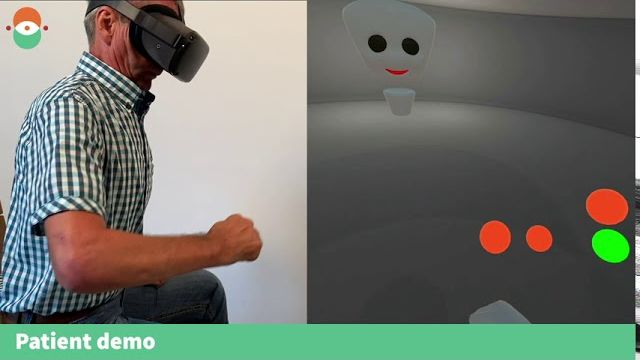
Rewellio (stroke rehab) and SpermEx (Ovos, Vienna).
Needs
Clinical partners, testing with patients and long-term funding.
Health is the field with the strongest evidence and the most money.
Re-Mission (2006): conceived by Pam Omidyar, made by HopeLab with Realtime Associates, with input from young cancer patients, oncologists and nurses. You pilot a nanobot inside a patient's body and fight cancer cells with chemotherapy and antibiotics. Free; over 200,000 copies in 81 countries. Next slide: the clinical trial.
Rewellio (Austrian start-up, founded 2017 by stroke therapist Georg Teufl): motivational games and VR exercises to increase therapy time after a stroke. The system tracks the user's range of motion, adapts difficulty and shows progress on a dashboard. Note: the company website is currently offline.
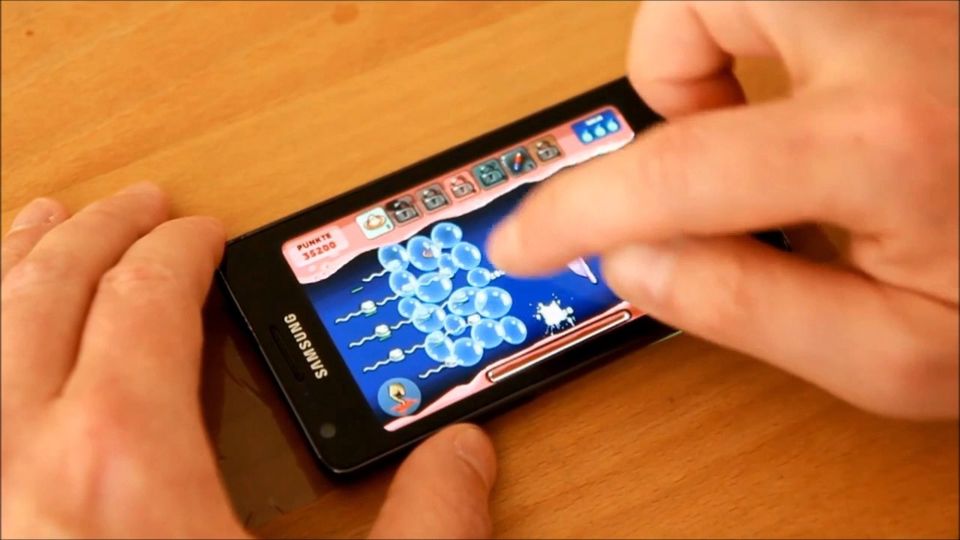
SpermEx (Ovos, Vienna, 2013, for the Austrian Society for Family Planning): 10 levels where you choose contraceptive methods to stop sperm and STI pathogens. Local example, made two hours from here.
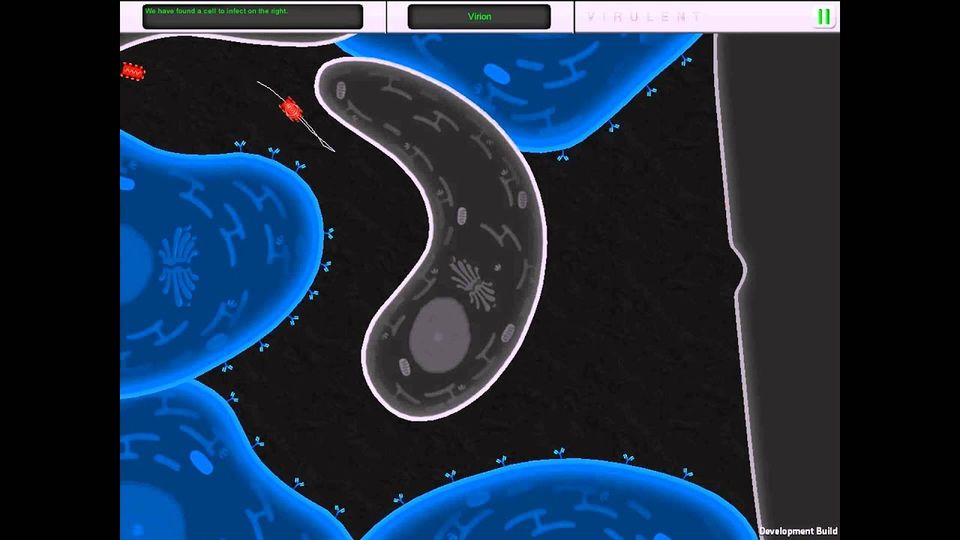
Virulent (Morgridge Institute / UW–Madison, 2011): real-time strategy where you control "Raven" virus particles (modelled on VSV) trying to infect a cell and escape the immune system. Learning goals by virologist John Yin and immunologist Jenny Gumperz.
Walkr (Fourdesire, Taiwan, 2014): counts your steps and turns them into energy for a spaceship. App Store Best of 2014; 7.5 million+ downloads (the old slide said 1M+). The video link is a third-party trailer; no official one is online.
04 · Health · a closer look
From a clinical trial to a prescription
Re-Mission · Pediatrics, 2008
375
patients aged 13–29 in a randomised trial
34
cancer centres in the USA, Canada and Australia
Antibiotic doses taken (pill monitor)
Re-Mission
62%
Control game
53%
EndeavorRx · US FDA, 2020
The first video game authorised as a medical treatment
Children with ADHD, alongside other therapy
Authorised June 2020 for ages 8–12, extended to 8–17 in 2023
Available only on prescription
Improves a measured attention score; everyday symptoms may not change
Kato et al., “A Video Game Improves Behavioral Outcomes in Adolescents and Young Adults With Cancer”, Pediatrics 122(2), 2008 · FDA De Novo DEN200026 (2020), 510(k) K231337 (2023)
Two milestones for health games.
Re-Mission trial (Kato et al., Pediatrics, 2008): 375 patients aged 13–29 at 34 centres. Half played Re-Mission, half played a normal commercial game (Indiana Jones). After three months the Re-Mission group took more of their antibiotic doses (62% vs 53%, measured with an electronic pill bottle), had higher chemotherapy levels in their blood, and scored higher on self-efficacy and cancer knowledge. Not everything improved: stress and quality of life did not change. HopeLab funded the study.
Why it worked, according to HopeLab's later research: playing activated reward circuits and changed how patients felt about chemotherapy (from something done to them, to something they fight with).
EndeavorRx (Akili, June 2020): the US FDA authorised it through the De Novo pathway, the first game-based therapy for any condition. For children with inattentive or combined-type ADHD, as part of a therapy programme. Benefit was shown on an objective attention test (TOVA); the FDA label says improvements in everyday symptoms may not appear. Extended to ages 8–17 in 2023. Akili was acquired by Virtual Therapeutics in 2024.
Education: from history to phonics Games inside a curriculum, from preschool to university.
At Play in the Cosmos
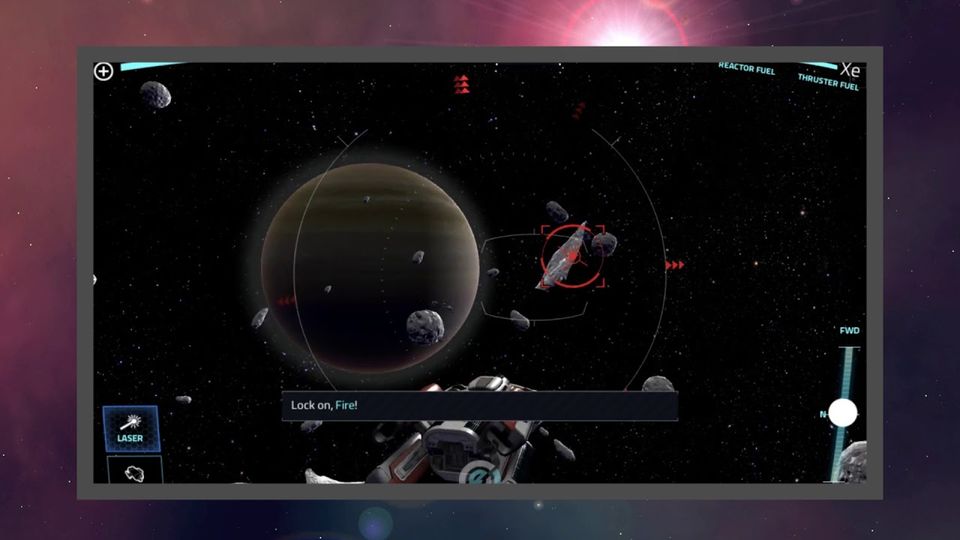
UW–Madison & W.W. Norton, 2017. Astronomy course as missions.
youtu.be/63Li7g1tsyE
Oldest field
From The Oregon Trail (1971) to Minecraft Education in 100+ countries.
Two routes
Built for school (Plingo, Edurino) or a mode of a blockbuster (Discovery Tour).
Watch out
At Play in the Cosmos stopped working in 2022: games need upkeep.
Education: the oldest field (remember The Oregon Trail).
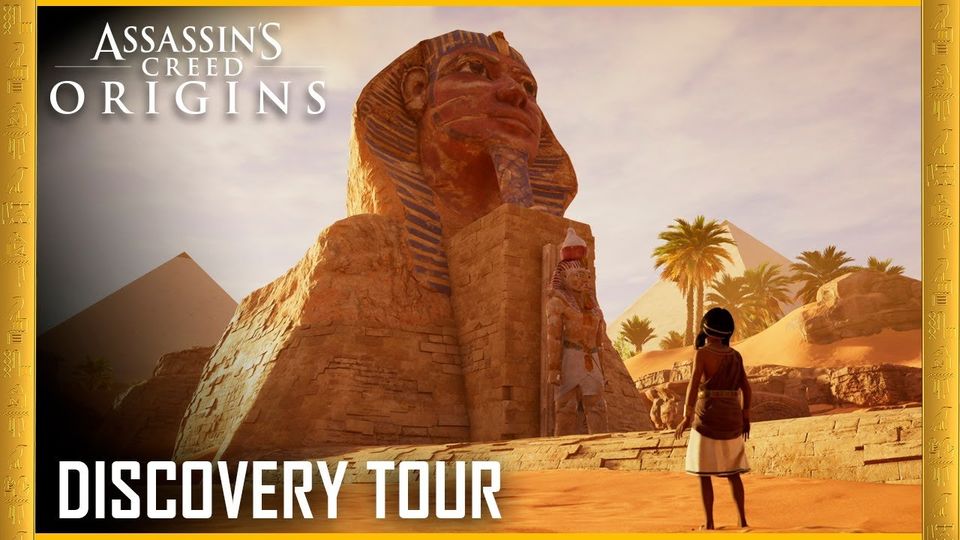
Discovery Tour by Assassin's Creed: Ancient Egypt (Ubisoft Montréal, February 2018): the open world of Assassin's Creed Origins without combat. Guided tours written with historians and Egyptologists (religion, mummification, building the pyramids), discovery points and quizzes. Free for owners, also sold separately. Next slide: a classroom study.
At Play in the Cosmos (Gear Learning at UW–Madison with W.W. Norton, 2017): an intro-astronomy course built as missions, with astronomer Adam Frank. Discontinued in 2022: a reminder that serious games need long-term funding to stay playable.
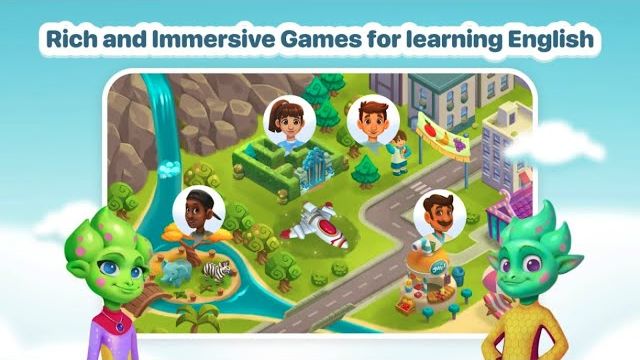
Plingo (Mindojo, Israel; the trailer still uses its older name "Aylee Learns English"): mini-games for listening, speaking, reading and pronunciation with speech recognition.
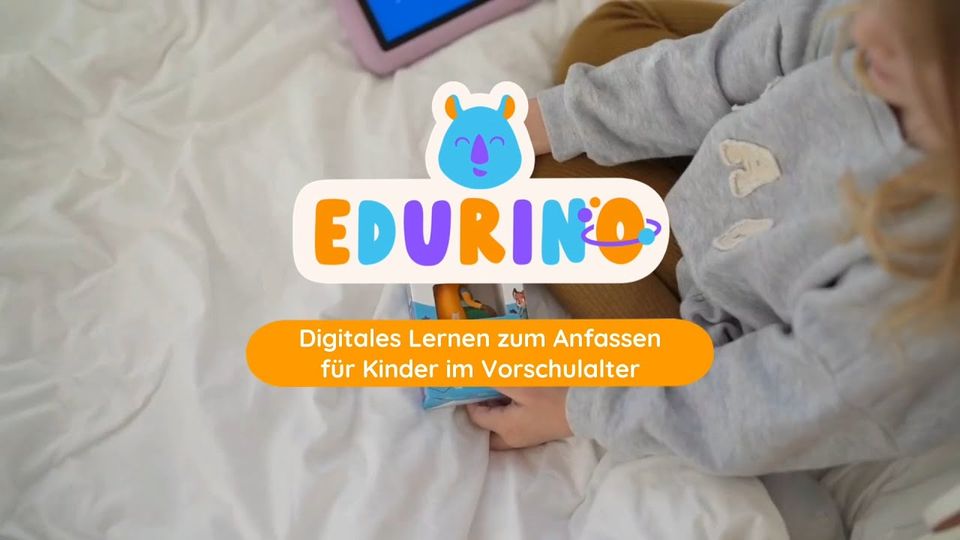
Edurino (Munich, founded 2021): physical toy figures placed on a tablet unlock matching games (similar to Tonies). Literacy, numeracy and creativity for ages 4–8.
Minecraft Education (launched November 2016, built on the earlier MinecraftEdu): used in over 100 countries for coding, architecture, physics, history.
04 · Education · a closer look
When the blockbuster becomes a museum
Walk through Ptolemaic Egypt at your own pace
75 guided tours written with historians and Egyptologists
No combat, no missions, no fail state
Classroom study · Université de Montréal
About 330 students aged 12–16 scored better on history tests after the tour.
But: students taught by a teacher with the same material scored higher still.
Éthier, Lefrançois & Déry, Recherches en didactique des langues et littératures / RRLMM 15, 2022 (doi:10.7202/1091402ar); press reports of the study, 2018
The Discovery Tour (2018) turned the expensive, historically researched world of a commercial game into an educational product almost for free. Ubisoft repeated it for Greece (Odyssey) and the Viking Age (Valhalla).
Study: Marc-André Éthier and colleagues at Université de Montréal tested it with around 330 secondary students. Students who did the tour improved their test scores, but students who had a teacher-led lesson on the same content did better. A small, short-term study, and press reports differ in the details, so treat it as an illustration, not proof.
Lesson: the game works best as part of teaching, not as a replacement for it. This matches the meta-analyses in Part 3 (Sitzmann: stand-alone games do worse).
Discussion: what would a teacher need to make the tour work in a 50-minute lesson? Ask for three ideas.
Environment: heal, protect, decide Climate and nature, from empathy to systems thinking.
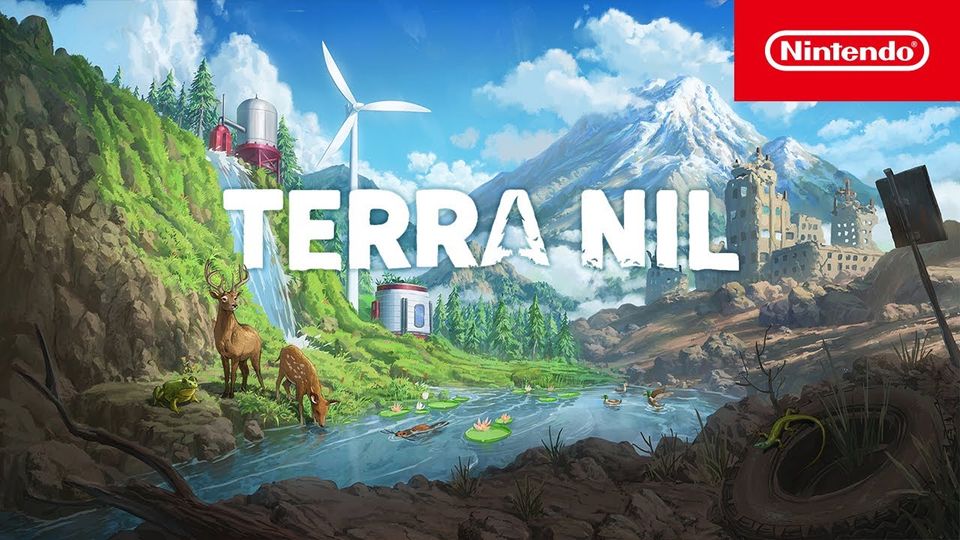
Terra Nil
Free Lives, South Africa, 2023. A reverse city-builder: heal the land, then leave no trace. 8% of Steam profits go to the Endangered Wildlife Trust.
youtu.be/bgyDDZAdynQ
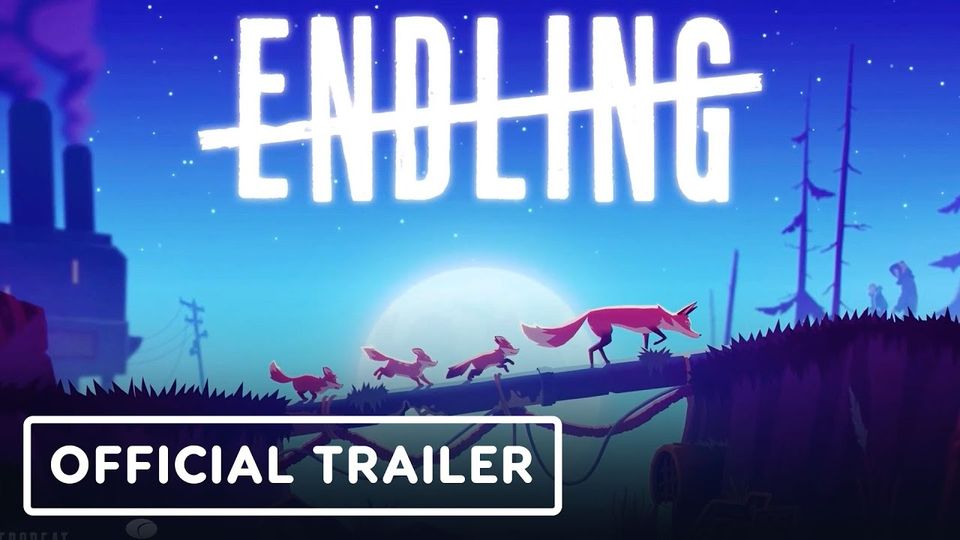
Endling: Extinction is Forever
Herobeat, Barcelona, 2022. Raise the last fox cubs in a world ruined by humans. BAFTA and Games for Change Game of the Year 2023.
youtu.be/2rCLc-WXOFo
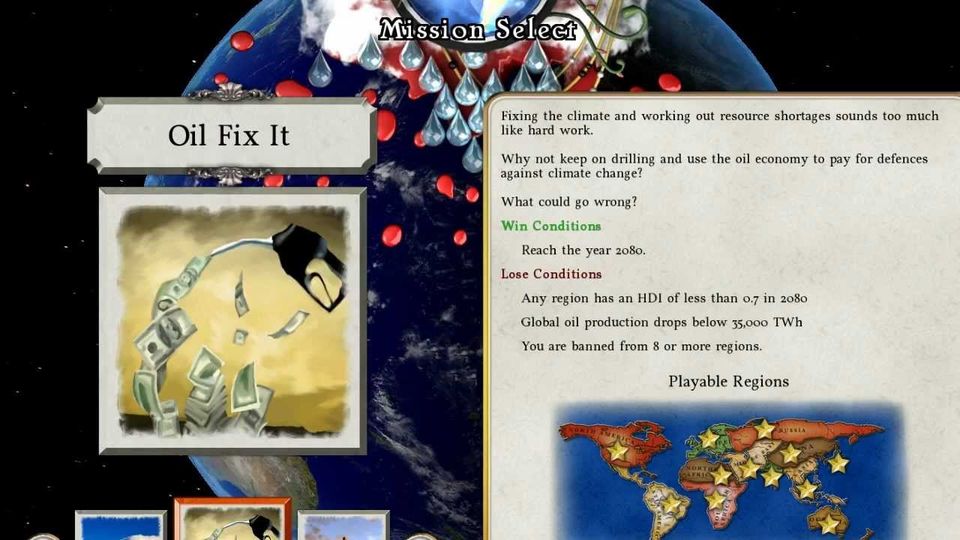
Fate of the World
Red Redemption, Oxford, 2011. Run global climate policy for 200 years, on a climate model by Oxford physicist Myles Allen.
youtu.be/pDU-g947NJk
Empathy
Endling: feel what is lost.
Positive action
Terra Nil: practise repair.
Systems thinking
Fate of the World: see the trade-offs.
Environment: three different strategies.
Terra Nil (Free Lives, Cape Town; Devolver Digital, March 2023): a "reverse city-builder". Instead of building a city, you restore a wasteland to a thriving ecosystem, then recycle every building you placed. Calm, beautiful, satisfying. The studio gives 8% of Steam profits to the Endangered Wildlife Trust; 300,000 players in the first week. Also on Netflix Games.
Endling: Extinction is Forever (Herobeat Studios, Barcelona; HandyGames, July 2022): you are the last mother fox on Earth protecting three cubs. Nights for stealthy movement and food, days for resting. You see human destruction from the animal's point of view. Won BAFTA's Game Beyond Entertainment 2023, Games for Change Game of the Year 2023 and an Apple Design Award for social impact.
Fate of the World (Red Redemption, Oxford, 2011): a global strategy game across two centuries. You balance climate and resources against the demands of a growing population, using cards for over 100 policies (geoengineering, aid, energy, forestry, even clandestine operations). Shows the complexity: policies have unintended consequences such as wars or financial crises. Climate model by Dr Myles Allen (Oxford). The studio closed, but it is still on Steam.
Three strategies: empathy (Endling), positive action (Terra Nil), systems thinking (Fate of the World). Ask which one changes behaviour most.
Citizen science: play that does real work Players solve problems that computers or labs cannot solve alone.
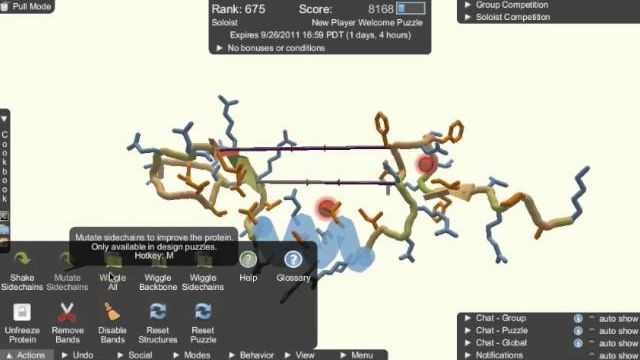
Foldit
University of Washington, 2008. Fold proteins in puzzles that feed real research.
youtu.be/DvYFjo3vC-k
Eterna
Stanford & Carnegie Mellon, 2011. Design RNA; the best designs are built in a lab.
youtu.be/V2qtNyJ3KQg
Sea Hero Quest
Deutsche Telekom & UCL, 2016. Navigation data for dementia research.
youtu.be/HtXfnxJCpCc
Re:Imagine London
Zaha Hadid Architects & Epic, 2024. Plan real London sites in Fortnite.
youtu.be/cfcleOOPUcs
Human computation
People still beat algorithms at spatial puzzles and spotting patterns.
Real output
Peer-reviewed papers that credit the players as authors.
Design
Short puzzles, instant feedback, leaderboards and a community.
Citizen science: von Ahn's "games with a purpose" grown up. The players' play does real work.
Foldit (University of Washington, May 2008, Center for Game Science and the Baker lab): weekly puzzles on protein structure and design. Discoveries are published in peer-reviewed journals with players credited. Free and not-for-profit. Next slide for numbers.
Eterna (Stanford's Rhiju Das and Carnegie Mellon's Adrien Treuille, public launch January 2011, not 2010): like Foldit, but 2D. Players design RNA sequences that fold into a target shape. The best designs are actually synthesised and tested in a Stanford lab each week, and player data helped build better RNA-folding algorithms. 100,000+ players by 2016.
Sea Hero Quest (May 2016, Deutsche Telekom with Glitchers, University College London, University of East Anglia and Alzheimer's Research UK): you steer a boat through mazes and remember routes. Every play session gives researchers data on human spatial navigation, one of the first abilities lost in dementia. The consumer app has since been withdrawn; a research edition is used by scientists.
Re:Imagine London (Zaha Hadid Architects with Epic Games, September 2024; the old slide had different partners): a Fortnite island where players place modular buildings on real Thames-side sites, scored for combining uses that make the area walkable and liveable. Teaches density and mixed-use planning. The video is a feature by The B1M.
04 · Citizen science · in numbers
What players have achieved
57 K+
Foldit players credited as authors of one Nature paper (2010)
3 weeks
for Foldit players to model an HIV-like protease that resisted scientists for over a decade (2011)
4.3 M
Sea Hero Quest players: navigation data that would take centuries to gather in a lab
100 K+
Eterna players designing RNA by 2016; the best designs are built and tested
The pattern: break a hard problem into puzzles humans are good at (shapes, spatial intuition, patterns), give feedback and a community, then feed the results back to science.
Cooper et al., Nature 466, 2010 · Khatib et al., Nat. Struct. Mol. Biol. 18, 2011; University of Washington, 2011 · Deutsche Telekom · Stanford Medicine, 2016
Numbers for citizen science games.
Foldit, Nature 2010 (Cooper et al.): the paper credits "Foldit players" as authors; more than 57,000 players contributed.
Foldit, 2011 (Khatib et al., Nature Structural and Molecular Biology): players built a model of the M-PMV retroviral protease (an enzyme from a monkey virus related to HIV) good enough for scientists to solve its structure. Scientists had been stuck on it for more than a decade. The University of Washington says the players took about three weeks; some press coverage says ten days.
Sea Hero Quest: 4.3 million players. Deutsche Telekom estimates that collecting the same data in a lab would have taken around 176 centuries (a marketing extrapolation: two minutes of play gives the data of a five-hour lab session). The peer-reviewed results: a 2018 Current Biology paper with half a million players from 57 countries; later work showed people with a genetic risk factor for Alzheimer's (APOE4) navigate differently years before symptoms.
Eterna: 100,000+ registered players by 2016.
Design lesson: these games work because they ask humans to do what humans do better than algorithms.
Civics and history: take a side you never could Conflict, resistance and revolution, seen from the inside.
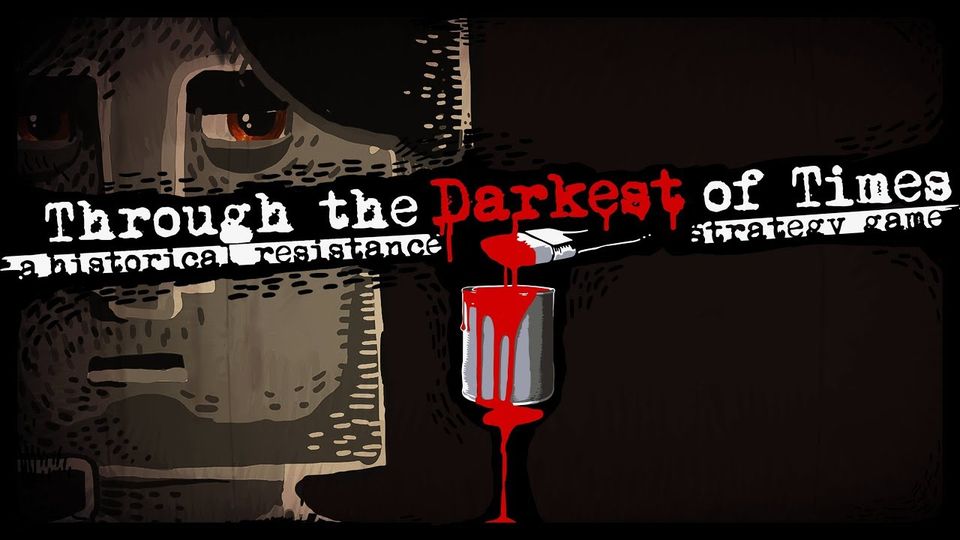
Through the Darkest of Times
Paintbucket, Berlin, 2020. Resist the Nazis in Berlin.
youtu.be/PATk-zo1RGM
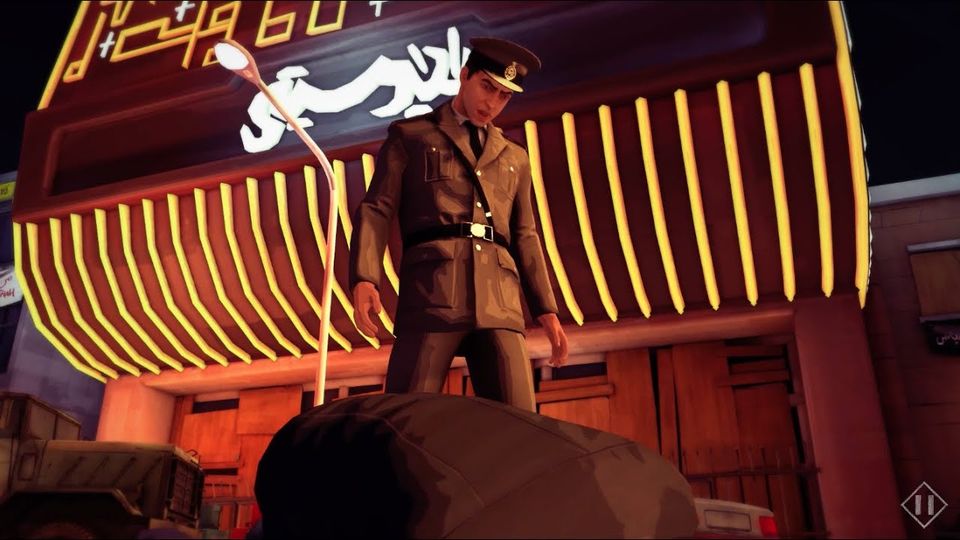
1979 Revolution
iNK Stories, 2016. Iran’s revolution through a photographer’s lens.
youtu.be/_50OJ1uuGoc
Perspective-taking
PeaceMaker’s makers recommend playing the other side first.
Measured
PeaceMaker study: knowledge rose across 167 students from four countries.
Not only digital
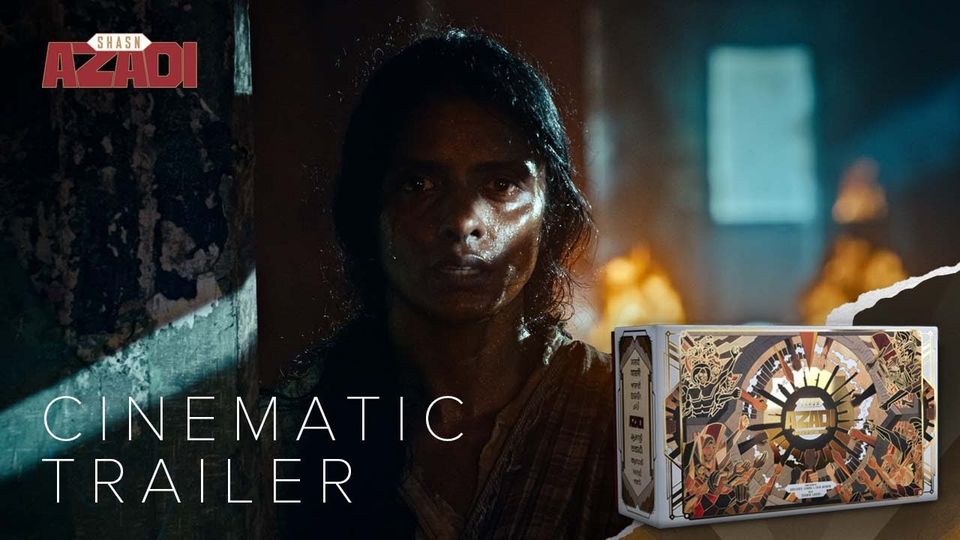
SHASN: AZADI is a board game, with a Games for Change award (2023).
Civics, politics and history. These games let you take a perspective you would never otherwise have.
PeaceMaker (ImpactGames, founded by Carnegie Mellon graduates Asi Burak and Eric Brown, released February 2007; the old slide said 2005): turn-based. Play the Israeli prime minister or the Palestinian president; manage ratings, security and global opinion. Co-developer Eric Brown recommends playing the opposing side first. Research by Ronit Kampf and Esra Cuhadar (167 students from Israel, Palestine, Turkey and the US) found it increased knowledge and shifted attitudes.
SHASN: AZADI (Memesys Culture Lab, Mumbai; Kickstarter 2021): a semi-cooperative board game. Players are revolutionaries freeing their country from imperial rule; cards are historical events with two possible responses from different ideologies; at the end, a democratic election decides who leads the new nation. First board game to win a Games for Change award (2023). Reminder: serious games do not have to be digital.
Through the Darkest of Times (Paintbucket Games, Berlin; HandyGames, January 2020): lead a small resistance group in Berlin from 1933 to the end of the war. Assign members to tasks (leaflets, recruiting, sabotage) while avoiding the Gestapo. Won the German Computer Game Award 2020 for Best Serious Game; nominated for Games for Impact.
This War of Mine (11 bit studios, Warsaw, November 2014): next slide.
1979 Revolution: Black Friday (iNK Stories, New York, April 2016): play Reza, a young photojournalist in Tehran during the revolution. Choice-driven narrative using real photographs and testimony. Nominated for Games for Impact 2016.
04 · Civics · a closer look
This War of Mine: a war game without soldiers
Inspired by the siege of Sarajevo (1992–96). You scavenge at night, decide who eats, and live with what you did.
$500 K
raised for War Child by a charity DLC
2020
Added to Poland’s optional school reading list, the first game on it
This War of Mine (11 bit studios, Warsaw, November 2014): a war game without soldiers. You manage a group of civilians in a besieged city: by day you build and cook, by night you scavenge, and you decide whether to steal from neighbours or help strangers. Inspired by the siege of Sarajevo.
Numbers: more than 9 million copies sold by 2024. The War Child charity DLC (2015) gave 100% of proceeds to the charity, about 500,000 dollars.
In 2020 the Polish government added it to the supplementary (optional) school reading list for upper-secondary students aged 18 and over, the first game on the list.
Why it works: the core mechanic (scarcity, moral choices under pressure) is the message. Compare with a documentary about Sarajevo: the game makes you complicit.
Empathy: live someone else’s life for an hour Games where you are not the hero, but the person.
Body of Mine VR
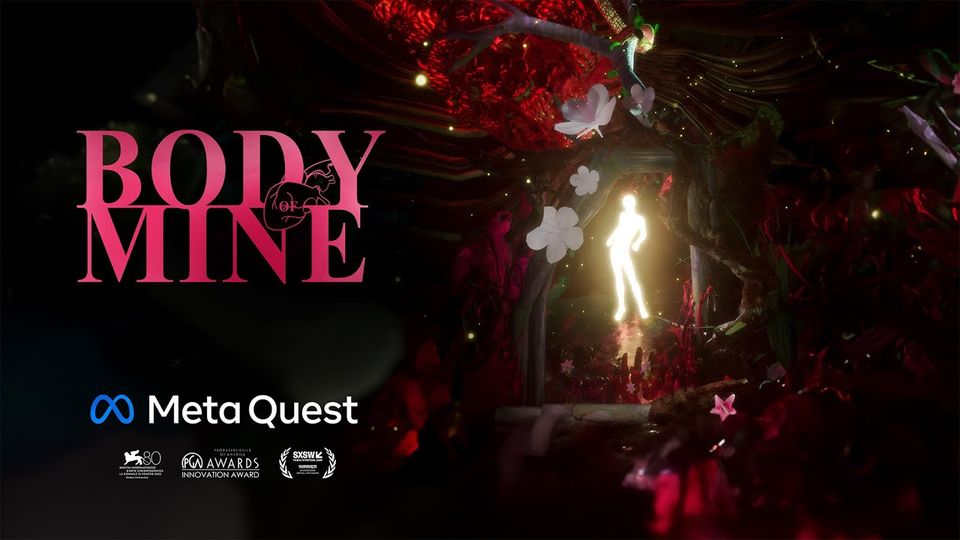
Cameron Kostopoulos, 2023. Inhabit another body; hear trans stories.
youtu.be/FE7KYISf7cI
Short
Many take one to three hours. Venba takes about 90 minutes.
Award favourites
Before Your Eyes: BAFTA 2022. Venba: IGF Grand Prize 2024.
Common thread
What you do is what you feel. Next slide.
Empathy games put you in someone else's position.
Body of Mine VR (Cameron Kostopoulos, made as a student at USC, 2023): full-body, face and eye tracking let you inhabit a body of another gender, and touching your body unlocks real interviews with trans people. SXSW 2023 Special Jury Award, BAFTA Student Award 2023; selected for Venice Immersive. (The link in the old speaker notes pointed to a different game's trailer.)
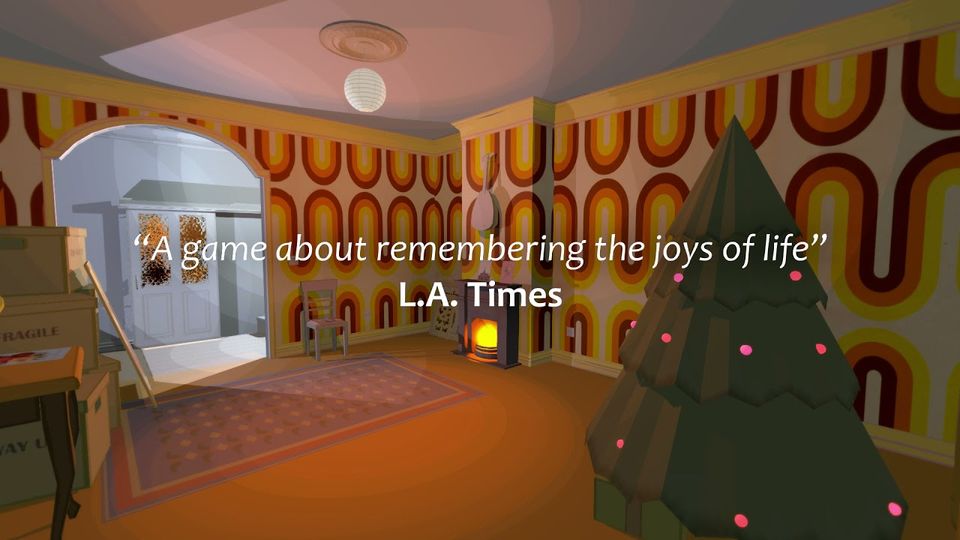
Before I Forget (3-Fold Games, Bristol, 2020): explore Sunita's house; objects unlock memories of her life as dementia takes them. Nominated for BAFTA's Game Beyond Entertainment (2021) and for Games for Change.
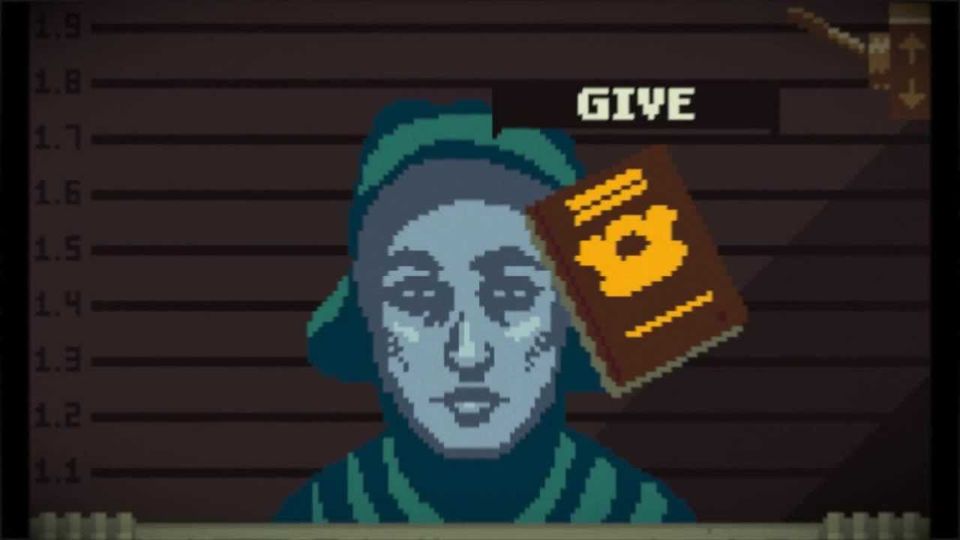
Papers, Please (Lucas Pope, August 2013): you are an immigration inspector in the fictional state of Arstotzka in 1982. Check documents; admit, deny or detain. Rules change daily, your family needs food and heat, and every applicant has a story. IGF Seumas McNally Grand Prize 2014; over 5 million copies sold.
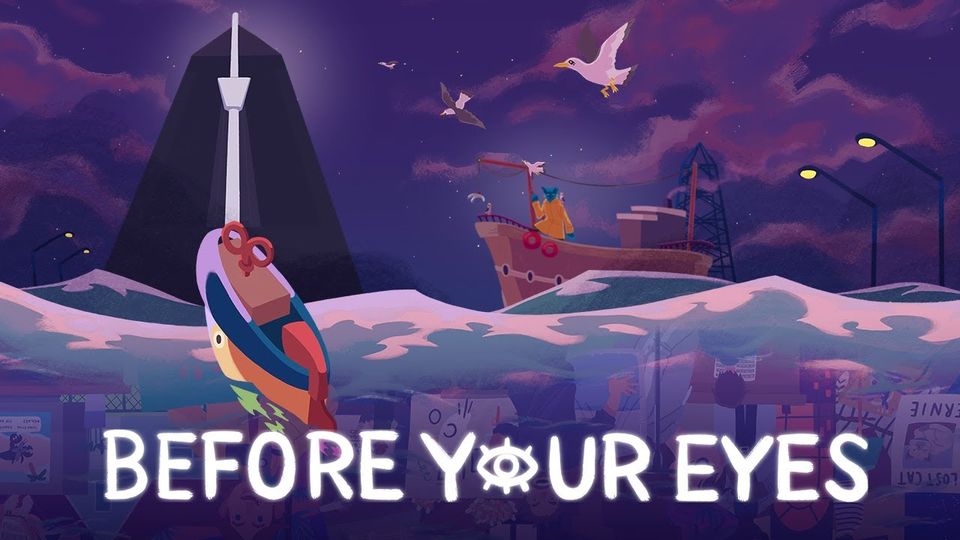
Before Your Eyes (GoodbyeWorld Games, 2021): your webcam tracks your eyes. Every time you blink, time jumps forward, so you lose moments of Benjamin's life whether you want to or not. Won BAFTA's Game Beyond Entertainment (2022).
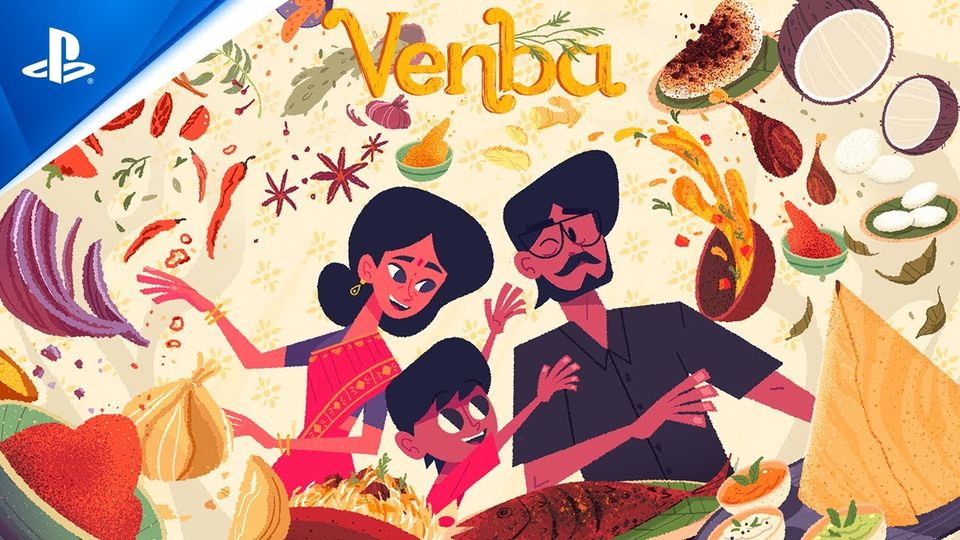
Venba (Visai Games, Toronto, July 2023): a narrative cooking game about a Tamil family that moves to Canada in the 1980s. Reconstructing lost recipes is reconstructing identity. Won the IGF Grand Prize and BAFTA Debut Game (2024); nominated for Games for Impact. Short (about 90 minutes), perfect to play in class.
Next slide: what these games have in common.
04 · Design lesson
The mechanic is the message
What you do
What you feel / learn
Papers, Please
Stamping documents
→
How rules turn ordinary people into enforcers
→
You cannot hold on to moments; life slips past
Venba
Cooking from a torn recipe book
→
Rebuilding a recipe is rebuilding an identity
Body of Mine VR
Touching your own body
→
Stories unlock through the body you are in
The most important design idea in this lecture. In the best empathy games, the core action IS the argument.
Papers, Please: you stamp passports. The repetitive bureaucracy is what makes you complicit.
Before Your Eyes: you blink, and you cannot avoid blinking. The game takes moments away from you like time does.
Venba: you reconstruct recipes from a damaged cookbook. Losing and finding the recipes is the immigrant experience of losing and rebuilding culture.
Body of Mine: your real body becomes another body, and touching it unlocks the stories.
Ian Bogost called this "procedural rhetoric": persuasion through rules and processes.
Exercise for later: for your own game idea, write one sentence: "The player [action], and that teaches/feels like [message]." If the action and the message are unrelated, you have chocolate-covered broccoli.
05 · Mainstream games with a purpose
Not labelled serious, still changing behaviour
Ring Fit Adventure
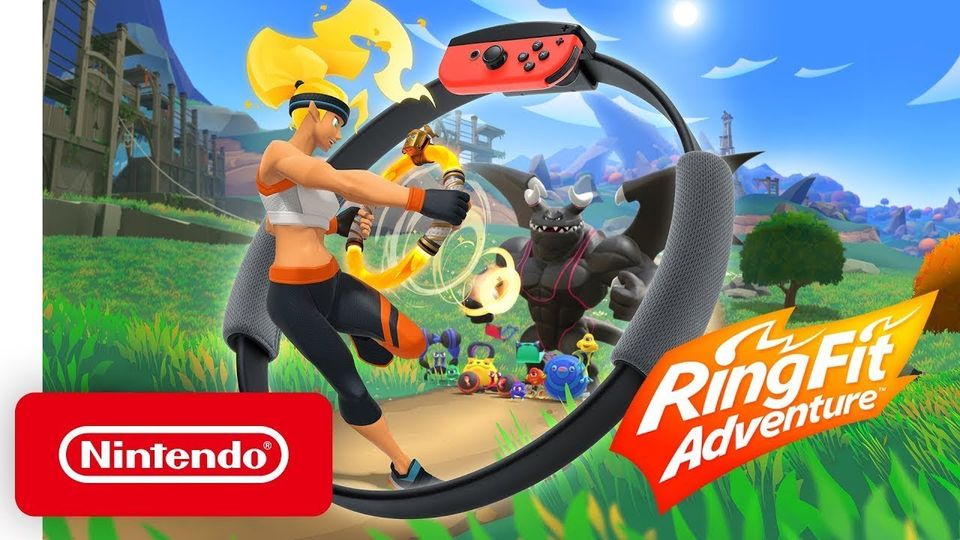
Nintendo, 2019. An RPG where squats are your attacks. 15M+ sold.
Wii Fit
Nintendo, 2007. A balance board in millions of living rooms. 22.7M sold.
Pokémon GO
Niantic, 2016. Engaged players walked ~1,500 more steps a day.
Zombies, Run!
Six to Start & Naomi Alderman, 2012. Audio story for runners. ~10M downloads.
Plague Inc.
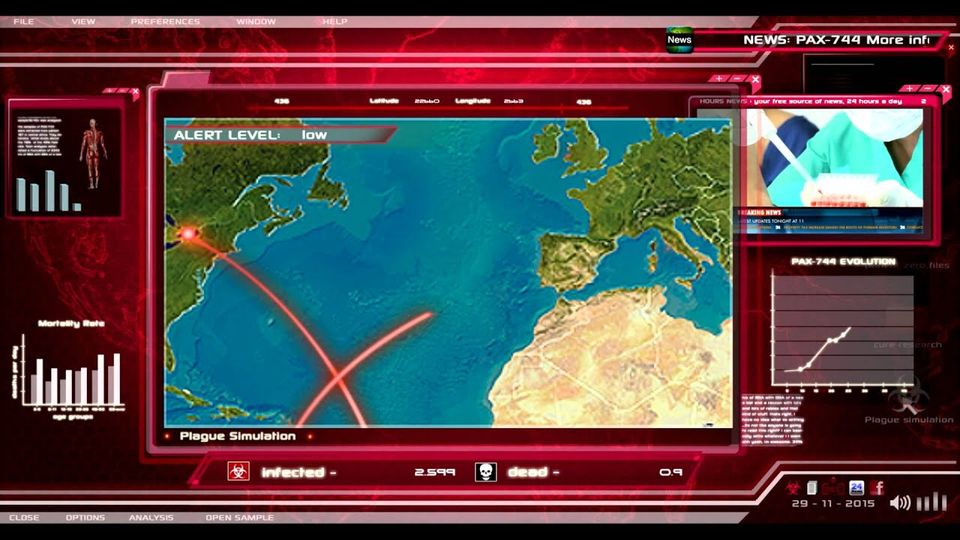
Ndemic, 2012. Think like a pandemic. 130M+ players; invited by the US CDC.
Kerbal Space Program
Squad, 2015. Rocket science through explosions. NASA co-built an update.
Tiny Bookshop
neoludic, Germany, 2025. Match readers with the right book.
Senua’s Saga: Hellblade II
Ninja Theory, 2024. Psychosis from the inside, made with neuroscientists.
Commercial games with a purpose, sold as entertainment. Some numbers:
Wii Fit (Nintendo, Japan 2007, Europe 2008): 22.67 million copies by 2012. Ring Fit Adventure (Switch, 2019): over 15 million. Both turned exercise into play for people who would never go to a gym.
Pokémon GO (July 2016): a study of 32,000 users of Microsoft fitness bands (Althoff, White and Horvitz, JMIR 2016) found engaged players walked about 1,473 more steps a day in their first month, over 25% more. Now owned by Scopely (2025).
Zombies, Run! (Six to Start with novelist Naomi Alderman, 2012): you run in the real world while an audio drama plays in your headphones; zombie chases make you sprint. About 10 million downloads.
Plague Inc. (Ndemic Creations, 2012): you evolve a disease to infect the world: "transgressive play" that teaches epidemiology from the germ's side, like SimCity taught city planning. 130 million+ players; the US CDC invited its creator to speak in 2013. In 2020 Ndemic donated $250,000 to pandemic response and added a mode where you fight the disease.
Kerbal Space Program (Squad, 2015): orbital mechanics are simulated with Newtonian physics, so players learn real rocket science by failing. NASA collaborated on an asteroid mission update (2014).
Tiny Bookshop (neoludic games, Germany, 2025): a cosy game about running a mobile bookshop and recommending the right book to each customer. 500,000+ sold.
Senua's Saga: Hellblade II (Ninja Theory, 2024): psychosis shown from the inside, developed with Cambridge neuroscientist Paul Fletcher and people with lived experience of psychosis.
Not on the slide: The Typing of the Dead: Overkill (2013, a typing tutor disguised as a zombie shooter); SimCity and Civilization (decades of classroom use); Minecraft. Other examples from the old slide: Gone Home, Detroit: Become Human, Life Is Strange, Alba: A Wildlife Adventure, Portal, The Last of Us, Celeste, Spiritfarer, 911 Operator, Farming Simulator.
Sonic: the old notes quoted a 2010 interview with Yuji Naka about Robotnik and nature. That interview could not be found. A safe version: Naka has said Robotnik symbolised machinery and development, against nature (Sega.com feature, around 1996).
05 · A closer look
It Takes Two: couples therapy, co-op
Game of the Year, The Game Awards 2021
Co-op only: you cannot play it alone
It Takes Two (Hazelight Studios, Stockholm; EA, March 2021): Cody and May are about to divorce and are turned into dolls by their daughter's wish. To get back, they must work together, guided by a talking book about love. Game of the Year at The Game Awards 2021; over 20 million sold.
Why it is here: it is not a serious game made at a university, and it does not have to be. It is an entertainment product with a serious topic, and it is personal (director Josef Fares). Every chapter introduces a new co-op mechanic that forces the two players to communicate, which is exactly the skill the couple lacks: the mechanic is the message again.
Themes per chapter (interpretive): The Shed (starting over), The Tree (teamwork and communication), Rose's Room (childhood and imagination), Cuckoo Clock (time), Snow Globe (forgiveness), The Garden (love and the relationship), The Attic (family and acceptance).
Themes across the game: love, empathy, trust, difficulties couples face, collaboration, rediscovering love, family, children, connection.
06 · The field today
Awards, winners and where to go next Impact games now compete at the biggest award shows, and many of the winners are commercial hits.
Part 6: the current state of the field. Three award shows matter most: The Game Awards (Games for Impact), BAFTA (Game Beyond Entertainment) and the Games for Change Awards. Then: what kinds of games win, and where students can submit their own work.
06 · The Game Awards · Games for Impact
Twelve winners, 2014–2025
2026 nominees: mid-November
2014
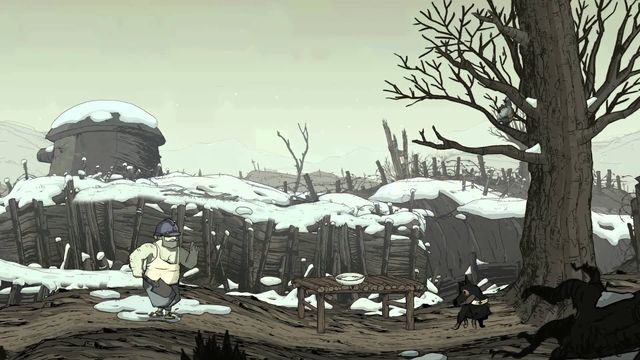
Valiant Hearts: The Great War
WWI through real letters
2015
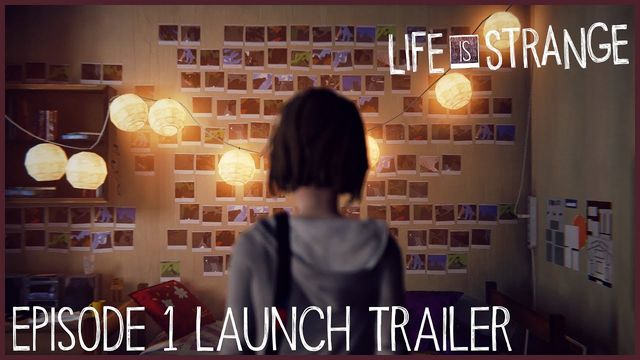
Life Is Strange
Bullying, depression, suicide
2016
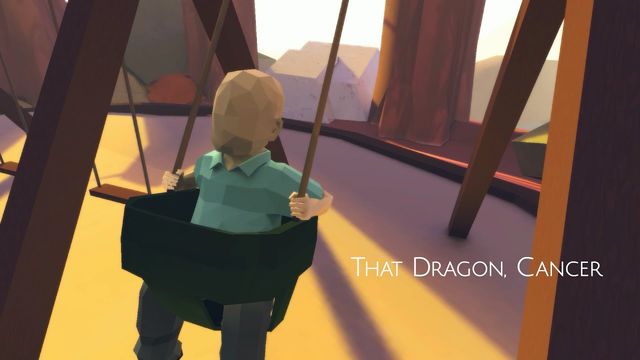
That Dragon, Cancer
A child’s terminal cancer
2017
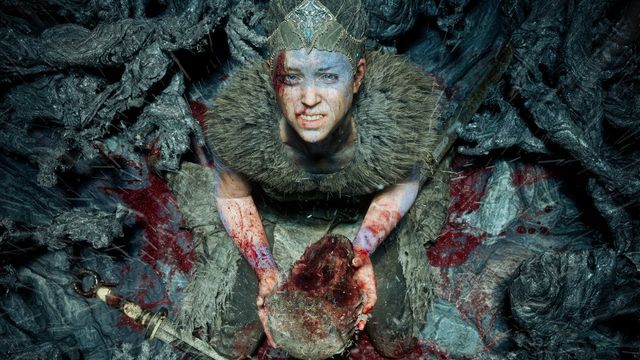
Hellblade: Senua’s Sacrifice
Psychosis
2018
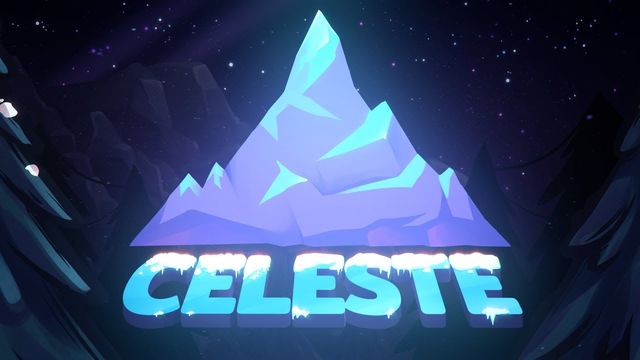
Celeste
Anxiety and depression
2020
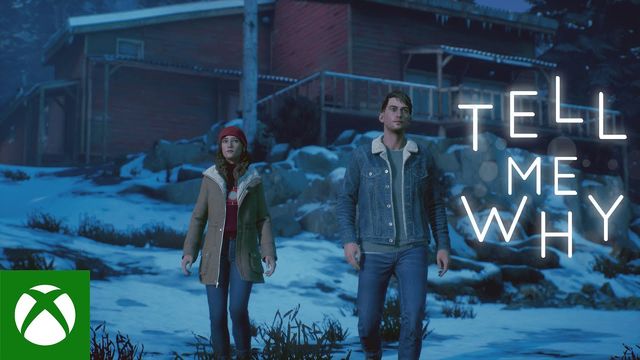
Tell Me Why
A trans protagonist
2021
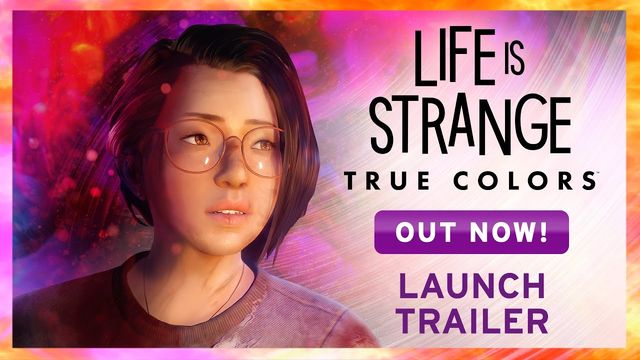
Life Is Strange: True Colors
Empathy and grief
2022
As Dusk Falls
Family and moral choice
2023
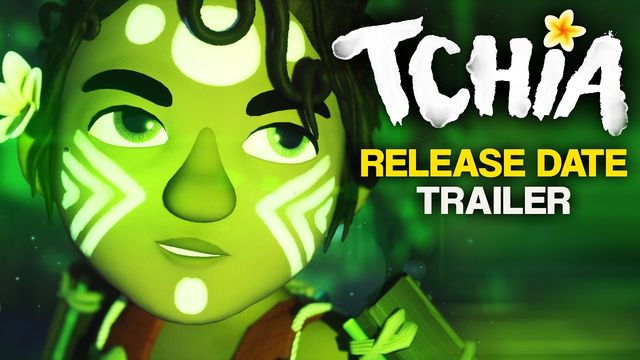
Tchia
Kanak culture, New Caledonia
2024
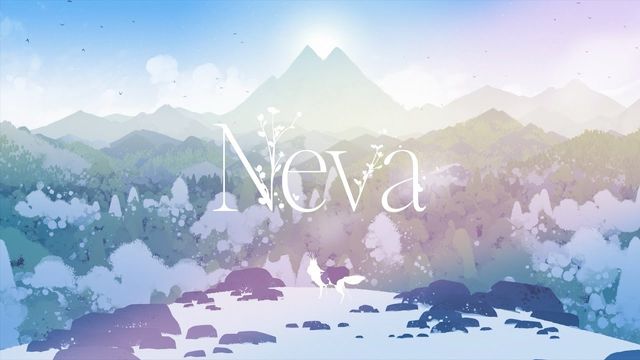
Neva
Grief and environment
2025
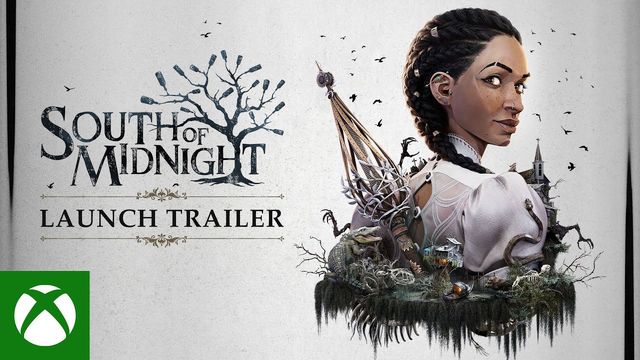
South of Midnight
Southern folklore and trauma
thegameawards.com (2018–2025 rewind pages); Wikipedia for 2014–2017. In 2014 the category was called Games for Change.
The Game Awards (Geoff Keighley, since 2014) is the biggest awards show in games. Its impact category is for "a thought-provoking game with a pro-social meaning or message". Every tile links to the trailer.
Look at the list: almost all are commercial narrative games from established studios, several from Xbox and Square Enix. The two most common themes are mental health and grief (Life Is Strange, That Dragon, Cancer, Hellblade, Celeste, Gris, Neva). Since 2020, identity and culture (Tell Me Why, Tchia, South of Midnight).
Nominees 2024: Neva (winner), Closer the Distance, Indika, Life Is Strange: Double Exposure, Senua's Saga: Hellblade II, Tales of Kenzera: Zau.
Nominees 2025: South of Midnight (winner), Consume Me, Despelote, Lost Records: Bloom and Rage, Wanderstop.
The 2026 nominees will be announced in mid-November; the show is on 10 December 2026. Good homework: guess the nominees.
Note: This War of Mine (2014) was nominated for awards but did not win this category; in 2014 the winner was Valiant Hearts.
06 · More awards
BAFTA and Games for Change
BAFTA · Game Beyond Entertainment
2018
Hellblade: Senua’s Sacrifice ★
2021
Animal Crossing: New Horizons
2023
Endling: Extinction is Forever ★
2025
Tales of Kenzera: Zau
Games for Change · Game of the Year
2018
Life Is Strange: Before the Storm
2021
Alba: A Wildlife Adventure
2023
Endling: Extinction is Forever ★
★ Won more than one of the big three awards (TGA, BAFTA, G4C)
Hellblade, Life Is Strange, Endling, Tchia, South of Midnight
Games for Change Awards 2025
800
submissions from 55 countries. The first G4C meeting in 2004 had about 42 people.
BAFTA Games Awards (ceremony years) · Games for Change press releases · gamesmarket.global, 2025
BAFTA's Game Beyond Entertainment award (first presented April 2018): "a game that goes beyond entertainment to deliver a transformative experience, a profound message, or a social impact". Years here are ceremony years. Hellblade won it the first year. Notable: My Child Lebensborn (raising a "Lebensborn" child in post-war Norway, Sarepta Studio), Kind Words (players write anonymous kind letters to strangers), Animal Crossing (connection during lockdown). 2026 winner: Despelote, an autobiographical game about Quito in 2001 and Ecuador's World Cup qualification.
Games for Change Awards, Game of the Year. Broader: Nintendo Labo (cardboard engineering) and Dreams (a game-creation tool) won as learning tools. Dot's Home (free, about housing injustice) and Stay Alive, My Son (VR, the Cambodian genocide) are classic purpose-first games. The separate impact category: Most Significant Impact until 2023, then Best in Impact (2025: Umfeld from Hochschule RheinMain, a German student project; 2026: ...and Roger).
The star shows games that won more than one of the three: Hellblade (TGA 2017, BAFTA 2018), Life Is Strange (TGA 2015, G4C 2016), Endling (BAFTA and G4C 2023), Tchia (TGA 2023, BAFTA 2024), South of Midnight (TGA 2025, G4C 2026).
Growth: the 2024 G4C Awards had a record number of submissions (up 44%), 2025 almost 800 from 55 countries. The first Games for Change meeting in 2004 had about 42 people.
Indie festival with an impact angle: the IGF Grand Prize went to Papers, Please (2014), Night in the Woods (2018), Umurangi Generation (2021), Venba (2024) and Consume Me (2025).
Not verified: the G4C Game of the Year for 2015.
06 · What wins today
Four themes and one big shift
Hellblade, Celeste, Gris, Neva, Tales of Kenzera, Consume Me
Venba, Tchia, Tell Me Why, South of Midnight, Despelote
Valiant Hearts, My Child Lebensborn, Svoboda 1945, Stay Alive, My Son
Endling, Alba, Terra Nil, Neva
Then
Educational software, made by NGOs and universities, free, small audience
Now
Commercial narrative games, made by studios, sold on every platform, millions of players
Looking across the three award lists, four themes dominate: mental health and grief, culture and identity, history and memory, and nature and climate.
And one big shift. In the 2000s, "serious games" mostly meant small, free, educational software made by NGOs, universities and foundations (Food Force, PeaceMaker, Re-Mission). Today the winners are mostly commercial narrative games made by studios and sold on every platform, with millions of players.
Both still exist. Purpose-first games are thriving in health (EndeavorRx), science (Foldit, Eterna) and schools (Minecraft Education). But the cultural conversation about games with a purpose now happens at The Game Awards.
Discussion: is that good? A wider audience, but does the commercial pressure push out games that are useful but not fun enough to sell?
06 · Your turn
Where to take a game with a purpose
Games for Change Student Challenge
Game jam and competition for ages 8–25, with yearly themes.
Games for Change Awards & Festival
Annual awards; festival in New York each July, events in Europe.
Unity for Humanity
Grants for real-time 3D projects with social impact ($500K pool in 2024).
A MAZE. Berlin
Festival and awards for independent and experimental games, every May.
Deutscher Computerspielpreis
German national game award, with a Best Serious Game category.
PGDA Austria
Austrian game developers’ association: Talent Award, mentoring, funding calls.
Concrete places to submit or get support. All links checked on 29 October 2026.
Games for Change Student Challenge: now runs through G4C Learn (learn.gamesforchange.org). The 2026–27 challenge is open for ages 8–25, with themes "Bounce Back" and "Everyone Belongs Here".
Games for Change Awards and Festival: New York every July (2026: 21–22 July). In Europe, G4C runs events such as G4C at the London Games Festival and a Games and SDG Summit in Rome.
Unity for Humanity: grants for real-time 3D projects with social impact. 2024: eight winners from a $500,000 pool.
A MAZE. Berlin: independent and experimental games festival with awards, every May.
Deutscher Computerspielpreis: Germany's national game award; Best Serious Game category (Through the Darkest of Times won in 2020). Eligibility rules apply, check them.
PGDA (Pioneers of Game Development Austria): the Austrian developers' association. Talent Award, digital mentorship programme, monthly calls that include funding topics.
From the old slide: XR Brain Jam (Games for Change jam pairing neuroscientists with XR developers) last ran in 2023 and its site is offline. The Climate Arcade at Sziget 2023: no public source found; add your own link or story if you were involved.
07 · Designing for impact
Making one is hard What goes wrong in serious game projects, and how to keep both the purpose and the fun.
Part 7. Everything so far shows that serious games can work. This part is about why many of them still fail: the typical problems in design and in content, and a checklist to start your own.
07 · Challenges
Nine ways a serious game project struggles
Team & partners
Missing game expertise
Educators and researchers rarely build games.
Different goals
Funder, university and studio each have an agenda.
Limited money
Serious budgets are small; scope must be too.
Content & fun
Accuracy vs playability
Correct content without killing the game.
Bias and propaganda
One-sided games lose credibility.
Learning vs fun
Too much lesson: boring. Too much game: no impact.
Proof & reach
Testing with the real audience
How do you playtest with 7-year-olds or patients?
Fitting the curriculum
Teachers need it to fit a 50-minute lesson.
Measuring the outcome
Did anyone learn or change? Plan it from day one.
Grouped into three columns; one column per click.
Team and partners. Educators often lack game development expertise, and game developers lack the subject knowledge. Funding usually comes from an institution with an agenda; the university has its research agenda; the developer wants a good game for the portfolio. Align goals at the start, in writing. Budgets are small, so keep the scope small.
Content and fun. Data accuracy versus engaging gameplay: designers must keep the content correct without compromising the fun. Avoid biased perspectives: games about history or politics are interpretations, and historians want students to compare interpretations rather than memorise one. And the core balance: too educational and nobody plays; too entertaining and the purpose is lost (next slide).
Proof and reach. Testing with the target group is hard: if you build for 7–10-year-olds, how do you get them to playtest? Schools need games that fit their curriculum and a single lesson. Assessment of the learning outcome has to be planned before you build, not after.
And making games is hard: you need creative, technical, business and marketing skills to reach the intended audience.
07 · The core balance
Learning and fun on the same seesaw
LEARNING FUN THE SWEET SPOT IS IN THE MIDDLE Too much lesson
A quiz with a game skin. Players leave; nothing is learned.
Too much game
Great fun, but the message is a cutscene players skip.
The fix
Make the core mechanic the thing you want to teach.
The central design problem. If the game is too focused on education, it is not enjoyable and players leave. If it is too focused on fun, it loses its educational impact.
The fix: put the purpose into the core mechanic, the thing the player does most. In Papers, Please the mechanic is checking documents, and that IS the message about bureaucracy and complicity. In Foldit the mechanic is folding, and that IS the science. In Re-Mission the player shoots cancer cells with chemotherapy, which builds the belief that treatment works.
Bad sign: the learning content sits in text boxes between levels.
Also from the original slide: games are one tool among many. Use them when they are the best medium for the learning goal. Sometimes inquiry-based teaching or a project where students make something is more engaging than a game.
07 · Before you build
Six questions for any serious game
1
Who is the player?
Age, prior knowledge, how long they will play, where.
2
What should change?
Know, feel or do something. Pick one and write it down.
3
Why a game?
What does play add that a video or a text cannot?
4
What is the core mechanic?
The action repeated most should carry the message.
5
How will you know it worked?
Observation, a short quiz, a behaviour you can see.
6
Who tests it, and when?
Real target players, early and often.
A practical checklist, one question per click. Use it for any serious game, including an installation for a museum.
1. Who is the player? A museum visitor plays for two minutes, standing, maybe with their kids. A patient plays at home for weeks.
2. What should change? Knowledge (know), attitude or empathy (feel), or behaviour (do). Most failed projects try to do all three.
3. Why a game? If a video would do the job, make the video.
4. Core mechanic: see the seesaw slide. The repeated action is the message.
5. Measure: decide before you build. For a museum: do visitors finish? Can they answer one question afterwards?
6. Test with the real audience, early. Paper prototypes count.
Watch · 20 min
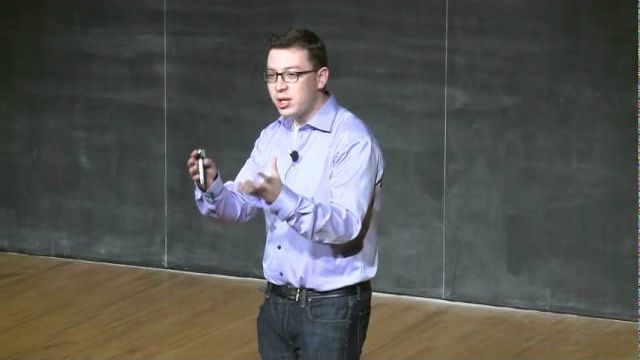
Gaming can make a better world
Jane McGonigal at TED, 2010
Game designer and researcher. Argues that the skills gamers build (optimism, social fabric, “blissful productivity”, epic meaning) could solve real-world problems.
youtu.be/dE1DuBesGYM
Book · 2011
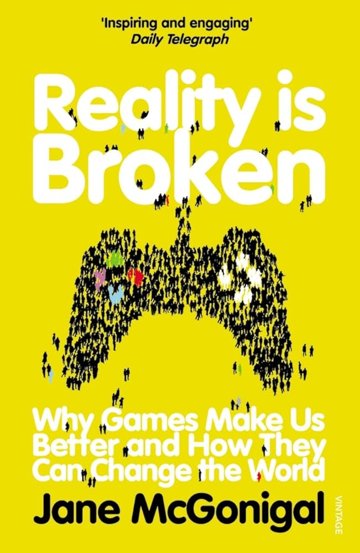
Reality Is Broken: Why Games Make Us Better and How They Can Change the World
Jane McGonigal, TED, February 2010. Her famous claim: the world spends about three billion hours a week playing online games, and we need far more of that energy pointed at real problems. Treat the number as her own estimate (Institute for the Future), not an independent statistic.
She describes four superpowers gamers build: urgent optimism, a tight social fabric, blissful productivity and epic meaning.
Her book Reality Is Broken (January 2011) expands the argument. She later built SuperBetter, a game for resilience and recovery that was tested in a clinical trial for depression.
Good for discussion: is she right, or is it the same optimism that the hype cycle warns about?
Level complete
Four things to take home
1
Serious games are old.
Kriegsspiel trained officers in 1824. What is new is the scale, the evidence and the awards.
2
Purpose first, but fun is not optional.
If nobody plays, nothing is learned. The core mechanic should carry the message.
3
They work, moderately.
Effects around 0.3: real, not magic. Design and the teaching around the game decide.
4
Mainstream games count too.
Papers, Please, This War of Mine and It Takes Two change minds without the label.
Four takeaways, one per click.
Link back to the opening question: the game that taught you something you still remember was probably not labelled a serious game. That is the point of number 4.
Game over · thanks for playing
Questions? Which game taught you something you still remember?
Q&A.
The watch list: McGonigal's TED talk; Luis von Ahn's TED talk on human computation (reCAPTCHA and Duolingo, the origin of games with a purpose); Sea Hero Quest's findings; the Foldit introduction; and a reel of student projects from the 2024–2025 course for inspiration.
If you finish early: play the Papers, Please trailer and ask what the core mechanic teaches.